
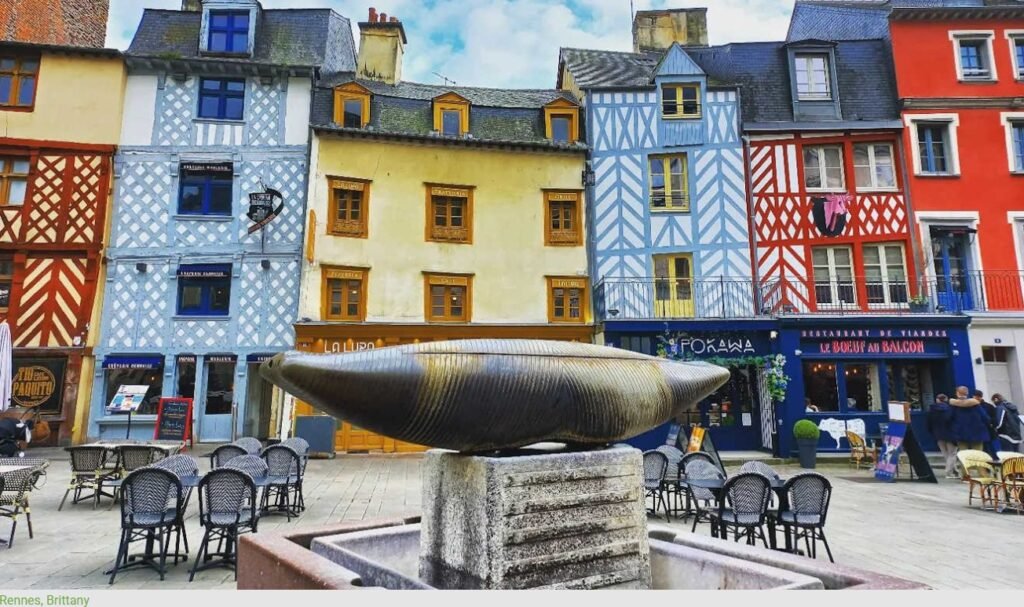
For many Americans, the idea of owning a home in France begins as a dream shaped by travel, culture, and lifestyle. A small apartment overlooking a historic square, a quiet countryside house surrounded by vineyards, or even a refined residence in Paris can represent a different rhythm of life—one that combines history, architecture, and everyday elegance.
Yet buying property in France is not exactly the same as buying real estate in the United States. The structure of the market, the legal system, and even the role of real estate agents differ significantly. Understanding those differences early can transform the process from confusing to surprisingly smooth.
For buyers approaching the French market for the first time, the journey usually begins with research rather than property visits. Exploring how different regions feel, how cities evolve, and how daily life changes from one part of the country to another can make the decision far clearer before the search even begins.
Many future buyers start by learning about the lifestyle side of relocation through resources such as HomeFrance.eu, a platform dedicated to understanding everyday living across France—from cultural habits to regional differences in climate, architecture, and pace of life. Before choosing a property, understanding how it feels to live in a particular region can be just as important as the property itself.
Once lifestyle questions begin to take shape, the next step is often exploring cities and regional markets. France is not a single property market but a collection of very distinct local environments. Historic eastern cities such as Strasbourg offer a blend of French and Central European character, while coastal areas on the Mediterranean provide a completely different atmosphere and architectural style.
Buyers comparing locations across the country often begin with city guides such as those available on BuyPropertyFrance.com, where international buyers can explore how property markets vary from region to region before focusing on specific listings. Understanding how a city evolves, how its neighborhoods differ, and what type of housing dominates the market can prevent costly mistakes later in the process.
Once a buyer identifies a region or city that feels right, the actual property search begins. This is where the French system differs significantly from the North American model. In the United States, buyers typically work with an agent who represents their interests and has access to a centralized database of listings. France operates differently.
French real estate agencies traditionally represent the seller rather than the buyer, and there is no national MLS system comparable to those used in North America. Properties are distributed across multiple agencies, portals, and networks, meaning that the full market is rarely visible through a single source.
For international buyers unfamiliar with this structure, navigating the market independently can quickly become overwhelming. Many buyers therefore choose to work with a professional who focuses specifically on representing the buyer’s interests. Platforms such as BuyerAgentFrance.com explain how buyer-focused representation can simplify the process by identifying properties across the entire market, coordinating communication with multiple listing agents, and ensuring that buyers gain access to every relevant opportunity rather than only what appears on one platform.
Another key difference between the American and French systems involves the legal process of purchasing property. In France, every transaction is overseen by a public legal professional known as a Notaire. The notaire ensures that contracts are legally valid, verifies ownership history, and manages the secure transfer of funds through a regulated escrow account known as a compte séquestre.
For many American buyers, this system initially feels unfamiliar but ultimately provides a strong layer of protection. Deposits and purchase funds never pass through the real estate agent; they are handled exclusively through the notaire’s secure account, ensuring legal transparency and protection for both parties.
Beyond the mechanics of the transaction, buyers are often drawn to France for reasons that go far beyond property investment. The country offers a unique combination of heritage, walkable cities, architectural beauty, and a culture that values quality of life. Markets, cafés, public squares, and historic neighborhoods shape daily routines in ways that many visitors find both inspiring and refreshing.
In major global cities such as Paris, the property market also includes a remarkable collection of historic apartments and prestigious residences located in iconic districts such as Saint-Germain-des-Prés or Le Marais. Buyers interested in exceptional residences in the French capital often explore curated luxury listings and market insights through 1empress.com, which focuses on high-end properties in some of Paris’s most historic neighborhoods.
While every buyer’s journey is different, most successful purchases in France follow the same progression. Buyers begin by understanding lifestyle differences and regional character. They then explore cities and property markets more deeply before identifying specific opportunities. Finally, they navigate the legal process with the guidance of experienced professionals who understand both the French system and the expectations of international buyers.
France remains one of the most stable and culturally rich property markets in Europe. For American buyers willing to approach the process with patience, curiosity, and the right guidance, owning a home in France can become far more than a real estate investment. It can become an invitation to participate in a way of life that has inspired travelers, artists, and residents for generations.
Recommended Reads:
- The Paris Neighborhoods Americans Understand Instantly — gtamarket.ca
- House Hunting in Paris vs Los Angeles in 2026 — gtamarket.ca
- A Practical Guide to Paris Property Investment for American Buyers — buyeragentfrance.com
- How to Buy Property in France as a Non-Resident: Complete Step-by-Step Guide — buypropertyfrance.com